


In the Asia-Pacific (APAC) retail industry, artificial intelligence (AI) is undergoing a significant shift from mere analytics and experimental phases to becoming an integral part of daily operations and workflows.
The adoption of AI in this sector is primarily driven by factors such as dense urban store environments, high employee turnover rates, and the competitive landscape of quick-commerce ecosystems.

According to a survey conducted by GlobalData in the fourth quarter of 2025, 45% of consumers in Asia and Australasia expressed a strong likelihood of purchasing products based on AI recommendations or endorsements.
Jaya Dandey, a Consumer Analyst at GlobalData, highlighted the pervasive influence of machine-learning systems in influencing consumer purchasing decisions, product visibility, and discount offerings.
She emphasized that AI systems now have the capability to handle end-to-end shopping tasks, marking a significant advancement in the industry.
Revolutionizing Retail with Computer Vision and Automation
The APAC region is witnessing the early stages of implementing computer vision and machine learning technologies in retail enterprises.
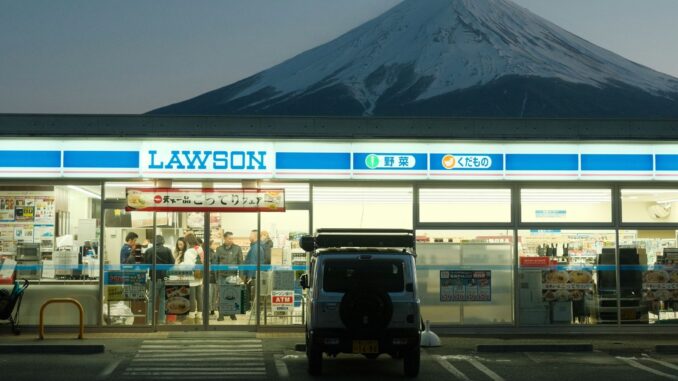
For instance, Lawson, a retailer in Japan, introduced AI-powered ‘Lawson Go’ stores in 2022, leveraging technology from CloudPick in 2025 to integrate AI, machine learning, and computer vision to create a seamless checkout experience without traditional cashiers.
In South Korea, Fainders.AI launched a cashier-less MicroStore within a gym in 2024, enhancing the accessibility of autonomous retail solutions across various industries.
AI also plays a crucial role in streamlining retail replenishment processes, particularly in the APAC market where stores are compact and restocking needs are frequent.
Coop Sapporo, a Japanese food retail chain, utilizes the Sora-cam AI system by Soracom to optimize shelf displays, reduce overstocking, and minimize wastage by offering timely discounts on perishable items.
Furthermore, AI models are instrumental in tracking waste, determining optimal markdown timings, and enhancing promotional strategies, particularly in price-sensitive Southeast Asian markets.
AI-driven labor optimization measures, such as scheduling, task prioritization, and workload management, are helping retailers in Japan, South Korea, and Southeast Asia to address labor shortages and improve operational efficiency.
Enhancing Consumer Interaction with Agentic AI Systems
In the realm of food retail, agentic AI serves as an intelligent ‘operator’ capable of understanding customer preferences, planning meals, adhering to dietary restrictions, and enhancing shopping experiences.
Customers can now communicate their meal requirements to AI agents, enabling them to generate recipes, create shopping lists, and offer personalized recommendations tailored to regional cuisines and dietary preferences.
This agentic AI functionality aligns well with APAC consumer behaviors, where cooking at home and buying fresh ingredients are common practices.
Despite the seamless integration of AI into daily routines through digital wallets and messaging platforms in many APAC markets, challenges related to data privacy, allergen detection, and language localization need to be addressed.
For more insights on AI and big data trends, consider attending the AI & Big Data Expo events in Amsterdam, California, and London, organized by TechEx.
Stay updated on the latest enterprise technology events and webinars by visiting TechForge Media, the powerhouse behind AI News.



Be the first to comment