


Exploring the Latest Regulatory Developments in Pakistan’s Crypto Market
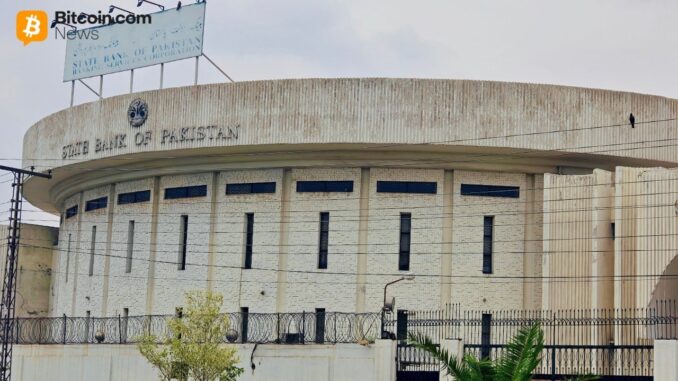
Recently, Pakistan made significant strides in its approach to digital asset regulation, particularly in the realm of virtual asset service providers (VASPs) accessing the formal financial system. The State Bank of Pakistan (SBP) issued Circular Letter No. 10 of 2026 on April 14, marking a pivotal shift in the country’s regulatory landscape.
Key Changes in Banking Access for Licensed Crypto Firms
One of the most notable updates is the reversal of the blanket ban imposed in 2018, which prohibited banks from processing, trading, or holding crypto assets. The new circular now allows SBP-regulated entities to open accounts for licensed VASPs, subject to strict compliance with defined conditions.

The regulatory framework is underpinned by the Virtual Assets Act, 2026, which established the Pakistan Virtual Asset Regulatory Authority (PVARA) as the governing body for virtual asset activities in the country. This legal foundation enables regulated institutions to engage with licensed VASPs, signaling a more structured oversight model.
Enhanced Compliance Requirements for Financial Institutions
Under the revised directive, banks must conduct thorough due diligence and Financial Monitoring Unit (FMU) reporting when onboarding licensed firms. They are required to verify VASP licenses directly with PVARA and set up segregated client money accounts for authorized transactions, ensuring compliance with Pakistani rupee denominations and restrictions on cash transactions.
Moreover, financial institutions need to assess each VASP’s business model, customer onboarding processes, and geographical exposure to mitigate digital asset-related risks effectively. Ongoing monitoring and reporting suspicious transactions to the FMU are essential components of the compliance framework.
Transitioning to Full Authorization
The circular outlines a transitional pathway for entities seeking full authorization, allowing them to access limited-purpose accounts with a no-objection certificate from PVARA. However, investments, trading, or holding of virtual assets using their funds or customer deposits are strictly prohibited until formal approval is granted.
This cautious approach by the SBP aims to balance access to the financial system with risk containment, emphasizing full compliance with regulatory frameworks. The new regulations herald a more structured and controlled participation model for digital asset companies in Pakistan.


Be the first to comment